
Why Eye Exams Matter for More Than Just Vision
Many people think of eye exams as something you only need when your vision becomes blurry or your glasses stop working. At Ambleside Family Optometry, we often hear patients say they delayed booking an appointment because they felt their vision was still fine. What many do not realize is that comprehensive eye exams do much more than check how well you can see.
Eye exams play a critical role in monitoring eye health, detecting early signs of disease, and even identifying health conditions that affect the rest of the body. Regular visits to Ambleside Optometry help protect both your vision and your overall health.
What Happens During a Comprehensive Eye Exam?
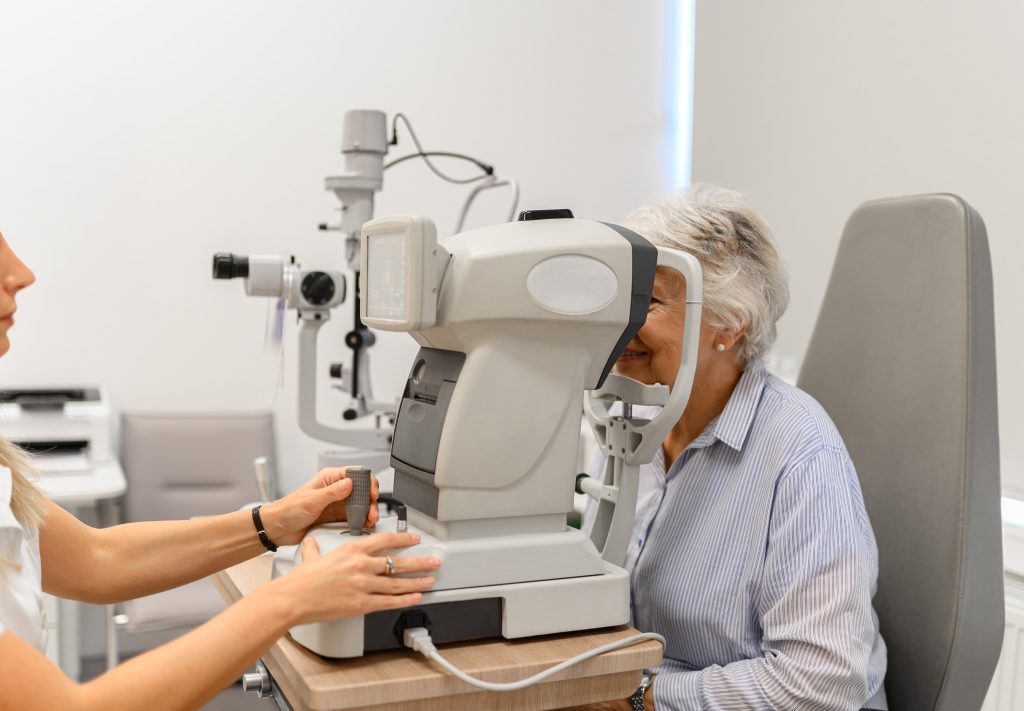
A comprehensive eye exam goes far beyond reading letters on a chart. At Ambleside Optometry, eye exams include a detailed assessment of how your eyes function and a thorough evaluation of eye health.
This includes checking eye pressure, examining the retina and optic nerve, assessing eye muscle coordination, and evaluating how your eyes respond to light. These steps allow the team at Ambleside Optometry to detect subtle changes that patients cannot see or feel themselves.
Eye Exams and Early Detection of Eye Diseases
Glaucoma
Glaucoma often develops without noticeable symptoms in its early stages. Vision loss from glaucoma is permanent, which is why early detection is essential. Routine eye exams at Ambleside Optometry help identify changes in eye pressure and optic nerve health before vision is affected.
Macular Degeneration
Age-related macular degeneration can impact central vision and worsen over time. Regular eye exams at Ambleside Optometry allow early signs to be monitored and managed, helping preserve vision for as long as possible.
Cataracts
Cataracts develop gradually and can cause vision to become cloudy or dim. Eye exams at Ambleside Optometry help track cataract development and determine when treatment or referral is appropriate.
How Eye Exams Reveal More About Your Overall Health
Your eyes provide valuable insight into what is happening elsewhere in your body. During an eye exam at Ambleside Optometry, the blood vessels and nerves in the eyes can reveal early signs of systemic health conditions.
Diabetes
Changes in the blood vessels of the retina may be one of the first signs of diabetes. Diabetic eye disease can progress without symptoms, making regular eye exams at Ambleside Optometry especially important for early detection and monitoring.
High Blood Pressure
High blood pressure can affect the blood vessels in the eyes. An eye exam at Ambleside Optometry may detect changes that prompt further medical evaluation.
Neurological Conditions
Certain neurological conditions can affect how the eyes move or respond to light. Eye exams can sometimes identify warning signs that require further medical investigation.
Eye Exams Support Comfortable, Functional Vision
Even when vision seems clear, subtle issues can still cause discomfort. Eye strain, headaches, difficulty focusing, and fatigue are common complaints among patients who visit Ambleside Optometry.
Screen-Related Eye Strain
Increased screen use can lead to digital eye strain, dry eyes, and focusing issues. Eye exams at Ambleside Optometry help determine whether symptoms are related to screen habits, prescription needs, or underlying eye health concerns.
Changes in Focusing Ability
As people age, the eyes gradually lose the ability to focus up close. Eye exams help identify these changes early and provide solutions that improve daily comfort and productivity.
Why Regular Eye Exams Matter Even Without Symptoms
Many eye diseases and health-related eye changes develop quietly. By the time symptoms appear, damage may already be present. This is why routine eye exams at Ambleside Optometry are recommended even when vision feels normal.
Regular exams allow changes to be tracked over time, making it easier to spot early warning signs and intervene before problems progress.
How Ambleside Optometry Takes a Preventive Approach
At Ambleside Family Optometry, eye exams are personalized based on age, lifestyle, health history, and risk factors. The goal is not only to correct vision but to support long-term eye health and overall wellness.
Our team takes the time to explain exam findings, answer questions, and recommend care tailored to each patient. Whether it has been one year or several years since your last eye exam, Ambleside Optometry focuses on prevention, education, and proactive care.
If you have been postponing an eye exam because your vision feels fine, booking an appointment with Ambleside Optometry can help ensure your eyes and overall health stay protected.
FAQ
How often should adults have an eye exam?
Most adults should have an eye exam every one to two years. Ambleside Optometry may recommend more frequent exams depending on eye health and medical history.
Can an eye exam detect health problems outside the eyes?
Yes. Eye exams can reveal early signs of diabetes, high blood pressure, and other systemic conditions.
Do I need an eye exam if I do not wear glasses or contacts?
Yes. Eye exams assess eye health, not just vision correction.
Are eye exams important for children and teens?
Absolutely. Regular eye exams help support learning, development, and early detection of vision or eye health issues.