
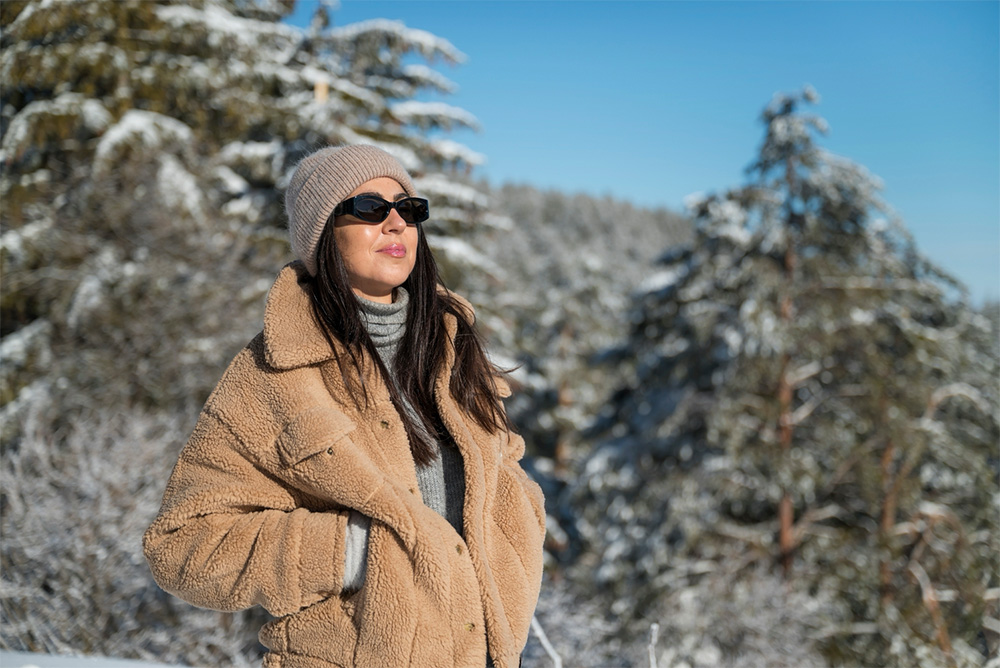
Why Sunglasses Matter Even in January
Many people think of sunglasses as a summer accessory, but winter can be just as demanding on your eyes. In fact, January is one of the most important months to protect your vision from UV exposure. If you have noticed more glare, squinting, or discomfort outdoors, the bright white reflection from snow may be the reason. At Ambleside Family Optometry, we often remind patients that sunglasses are not seasonal. They are an essential tool for year round protection and comfort. If you want clearer vision, fewer headaches, and healthier eyes in 2026, wearing sunglasses in winter is a simple habit that makes a big difference.
The Hidden UV Exposure in Alberta Winters
Most people are surprised to learn that UV radiation does not disappear in winter. It stays active all year. On clear and snowy days, it can even intensify. Alberta’s long winters bring bright sunlight that reflects off ice and snow. This reflective glare increases the amount of UV light that reaches your eyes. Even on cloudy days, up to 80 percent of UV rays can pass through cloud cover and reach the surface of the eye. These rays can irritate delicate tissues, strain the eyes, and contribute to long term damage if left unprotected.
Why UV Rays Are Still Strong in January
Winter sun sits lower in the sky. This increases the angle of direct light entering the eyes. Combined with reflective surfaces, the UV exposure can feel harsher than in summer. Patients often report that their eyes water more or feel sensitive during winter walks or commutes. Wearing quality sunglasses from Ambleside Family Optometry can help block this extra UV exposure and reduce the strain caused by winter light.
Snow Reflection and Winter Glare
Snow acts like a natural mirror. When sunlight hits fresh snow, up to 80 percent of the light bounces upward. This reflection makes the world look bright and crisp, but it also forces the eyes to work harder. Winter glare can make driving difficult, increase squinting, and cause headaches or eye fatigue.
How Winter Glare Affects Your Eyes
Glare reduces contrast and makes it harder to see details. If you ever struggle to drive on sunny winter days or find yourself squinting during a walk, glare is likely the cause. Long term exposure to reflective light can lead to discomfort and dryness. Sunglasses that offer both UV protection and polarized lenses can significantly reduce winter glare. Ambleside Family Optometry carries lenses designed to block both UV rays and reflected light, which can improve clarity and comfort outdoors.
Winter Conditions Make Your Eyes More Sensitive
Cold temperatures and dry winds remove moisture from the eye’s surface. When the tear film evaporates quickly, the eyes become dry, red, and more sensitive to light. If you already deal with dry eye symptoms, winter can make them worse. Sunglasses act as a physical barrier that shields the eyes from wind and cold air, helping keep the tear film stable.
Reducing Dry Eye With Sunglasses
If you experience burning, watering, or irritation during winter, sunglasses can help reduce symptoms by protecting the tear film. Pairing sunglasses with a dry eye assessment at Ambleside Family Optometry can give you both short term relief and long term management strategies.
Long Term Benefits of Wearing Sunglasses in Winter
Protecting your eyes during winter does more than reduce discomfort. Long term UV exposure is linked to several serious eye conditions that can develop quietly over time.
Common Issues Linked to UV Exposure
- Cataracts
- Macular degeneration
- Growths on the eye such as pterygium
- Photokeratitis, also known as snow blindness
- Accelerated aging of the skin around the eyes
These conditions develop gradually. Wearing sunglasses regularly in winter can help protect your vision now and in the future.
Choosing the Right Sunglasses for Winter
Not all sunglasses offer the same level of protection. To shield your eyes from winter glare and UV exposure, look for sunglasses that offer:
- 100 percent UVA and UVB protection
- Polarized lenses to reduce glare
- A shape that fits closely to block wind and cold air
- High quality optical materials for clear and sharp vision
If you are unsure which frames or lenses are best for your lifestyle, the optical team at Ambleside Family Optometry can help you choose a pair that fits comfortably and provides excellent protection for winter conditions.
FAQ
Do I really need sunglasses on cloudy winter days?
Yes. UV rays can penetrate clouds, and snow still reflects light upward. Sunglasses reduce both UV exposure and strain.
Are polarized lenses necessary for winter?
Polarized lenses help reduce glare from snow and ice. They are one of the best options for winter driving and outdoor activities.
Can sunglasses help with winter dry eye?
Yes. Sunglasses act as a barrier that protects the tear film from wind and cold air.
Is it worth getting prescription sunglasses for winter?
Prescription sunglasses improve clarity and comfort for people who need corrective lenses. Many patients find them helpful for driving and outdoor winter activities.