
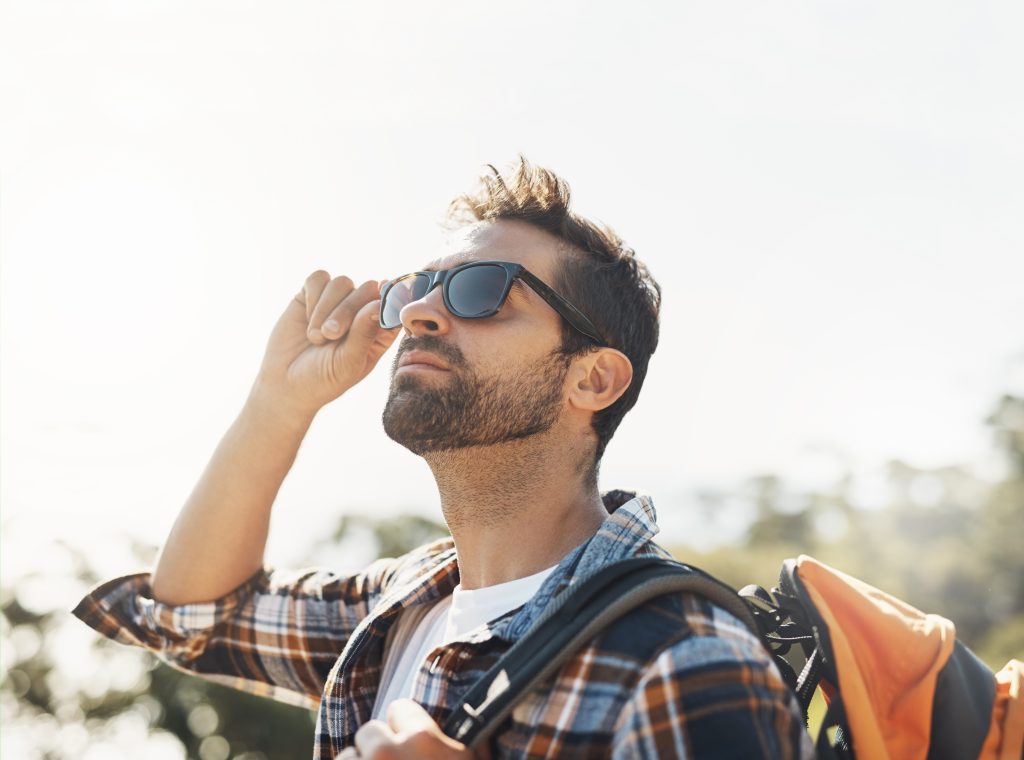
The Autumn Sun Shift: Why Year-Round UV Protection Still Matters in Edmonton
As autumn approaches in Edmonton, cooler temperatures and shorter daylight hours often lead people to pack away their sun protection. While most individuals remember to wear sunglasses during the bright months of July and August, UV radiation remains a constant factor throughout the entire year.
In fact, the changing position of the sun during fall creates unique visual hazards that make UV protection just as critical in September and October as it is in mid-summer. Protecting your vision requires understanding how seasonal light shifts impact your eyes and choosing high-quality optical solutions from Ambleside Family Optometry to keep your eyes healthy, comfortable, and clear through every season.
Understanding the Autumn Sun Angle
The primary reason fall sunlight poses a distinct threat to ocular health comes down to simple geometry. During the summer, the sun sits high overhead at midday. While overhead UV radiation is intense, brow bones, caps, and eyelashes provide a natural physical shield against direct sunlight entering the eyes.
Lower Horizon Angles
During autumn, the Earth tilts away from the sun, causing the sun to sit much lower on the horizon throughout the day. This lower path means direct sunlight strikes your face at a horizontal angle, bypassing your natural anatomical barriers.
Peak Commuting Glare
This low solar angle aligns precisely with peak morning and evening traffic hours in Edmonton. Drivers heading east in the morning or west in the late afternoon face severe, direct solar glare. This intense light shines directly into the pupils, causing extreme squinting, sudden eye fatigue, and temporary visual impairment while behind the wheel.
Cumulative UV Damage and Ocular Health
Ultraviolet (UV) radiation consists of invisible energy waves produced by the sun, divided primarily into UVA and UVB rays. Over time, unprotected exposure to these rays causes cumulative, irreversible damage to both internal and external eye structures.
External Surface Growth
Prolonged UV exposure can trigger benign growths on the white part of the eye (conjunctiva). A pinguecula appears as a yellowish raised spot, while a pterygium (often called “surfer’s eye”) is a fleshy tissue growth that can slowly grow over the cornea, causing irritation, astigmatism, and distorted vision.
Cataract Acceleration
Cataracts occur when the clear protein structure of the eye’s natural lens becomes cloudy over time. While aging is a major factor, chronic exposure to UVB radiation significantly accelerates protein breakdown, leading to earlier cataract development and requiring surgical intervention to restore visual clarity.
Retinal Health and Macular Degeneration
UV radiation penetrates deep into the back of the eye, where it damages delicate retinal cells. Long-term solar exposure is a recognized risk factor for age-related macular degeneration (AMD), a primary cause of severe, central vision loss in older adults. Protecting your retinas early in life helps preserve long-term sharp vision.
Comprehensive Fall Eyewear Solutions
Relying on cheap, dark plastic sunglasses without proper UV ratings can actually do more harm than good. Dark lenses cause your pupils to dilate (enlarge). If those lenses lack 100 percent UV protection, dilated pupils allow more harmful radiation deep into the internal eye structures than if you wore no glasses at all.
100 Percent UVA and UVB Blocking Lenses
Quality prescription and non-prescription sunglasses should offer full protection, blocking 100 percent of UVA and UVB rays (often labeled as UV400). When you select frames from our boutique at Ambleside Family Optometry, our optical team verifies that your lenses meet these stringent health criteria.
Polarized Lenses for Driving and Outdoor Activities
While UV coatings block invisible rays, polarization eliminates blinding surface glare. Polarized lenses contain a specialized vertical filter that blocks horizontal light reflecting off wet roads, vehicle hoods, and autumn foliage. They dramatically improve visual contrast, reduce eye strain, and enhance driving safety during Edmonton’s bright autumn commutes.
Photochromic (Transitions) Lenses
For individuals who prefer a single pair of everyday glasses, photochromic lenses automatically darken when exposed to outdoor UV light and clear up indoors. Modern photochromic technology adapts quickly to changing light levels, offering seamless UV protection during outdoor autumn walks and indoor work routines.
If you are experiencing eye fatigue during your daily commute or want to explore customized sunglass options, scheduling a comprehensive eye health assessment with our optometrists ensures your prescription is optimized and your retinas remain fully protected.
Protecting Children’s Eyes in Autumn
Children are particularly vulnerable to UV damage. Young eyes have larger pupils and clearer natural lenses, allowing up to three times more UV radiation to reach the back of the eye compared to an adult.
Because children spend significant time outdoors during school recess, gym classes, and sports practices, equipping them with durable, UV-blocking eyewear is essential. You can browse our collection of durable, impact-resistant pediatric eyewear collections at our South Edmonton clinic to find styles your children will love wearing every day.
Prioritize Year-Round Ocular Safety
Sun protection is not a seasonal habit—it is a lifelong investment in your sight. Equipping yourself and your family with proper UV-blocking, polarized eyewear ensures crisp, comfortable vision while defending against long-term eye disease.
To update your prescription, explore our curated selection of high-performance sunglasses, or discuss tailored lens options for fall driving, contact the experienced clinical team at Ambleside Family Optometry today to book an appointment.
FAQ
Do I need UV protection on overcast or cloudy autumn days?
Yes. Up to 80 percent of the sun’s UV radiation passes directly through clouds, fog, and light haze. Even when the sun is hidden on a dreary autumn day, invisible UV rays continue to hit your eyes and cause cumulative surface and internal damage.
What is the difference between polarized lenses and UV-protected lenses?
UV protection filters out invisible, harmful ultraviolet rays that cause long-term eye disease. Polarization is a visual filter that cuts out bright horizontal glare caused by sunlight reflecting off flat surfaces like wet pavement or windshields. For optimal health and visual comfort, your fall eyewear should offer both.
Are cheap convenience store sunglasses safe for my eyes?
Not always. Cheap sunglasses often lack verified UV400 filters. Dark tinting forces your pupils to dilate wider, and if the lens lacks genuine UV blocking, harmful radiation penetrates directly into the retina, increasing your risk of long-term ocular damage. Always purchase eyewear from an optometry professional who can verify true UV absorption.