
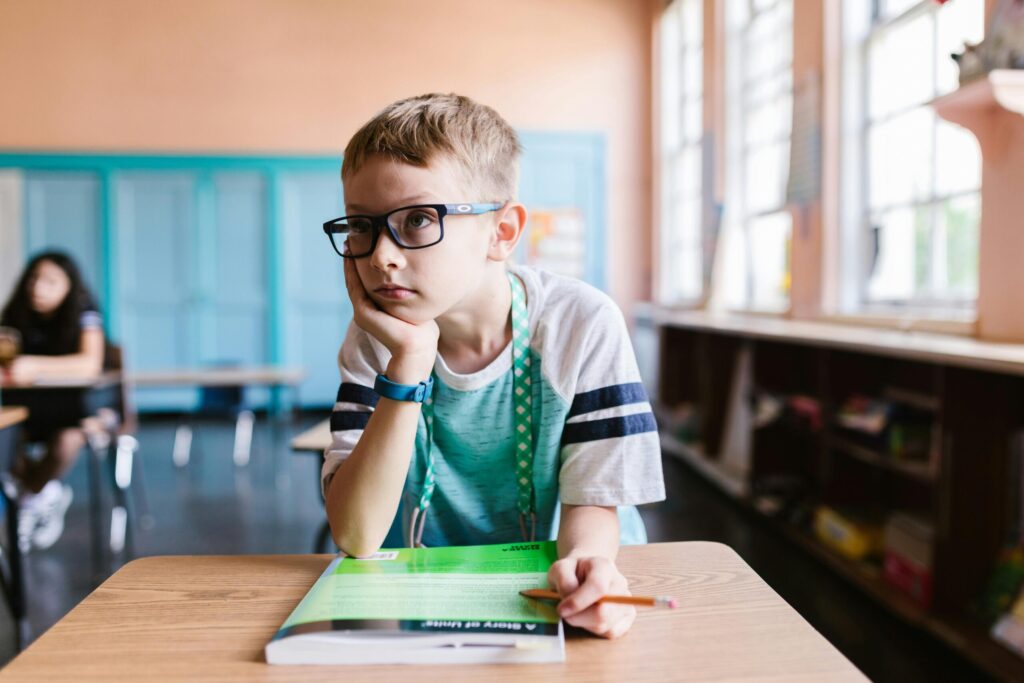
Myopia Management Series: Why More Kids Need Glasses Than Ever Before
If it feels like more children are wearing glasses today than ever before, you are not imagining it. Across Canada and around the world, childhood vision issues are rising, with myopia becoming increasingly common. Myopia, also known as nearsightedness, makes distant objects appear blurry while close-up vision remains clear. While it once developed mainly during the teenage years, many children are now being diagnosed much earlier.
At Ambleside Family Optometry, we are seeing this shift firsthand. As a trusted South Edmonton optometry clinic, our team focuses on early detection and proactive care to support long-term eye health for children of all ages.
What Is Childhood Myopia?
Myopia occurs when the eye grows too long from front to back. When this happens, light focuses in front of the retina instead of directly on it, causing distant objects to appear blurry. This can affect a child’s ability to see the classroom board, recognize faces from far away, or participate confidently in sports and outdoor activities.
Children often do not realize their vision is changing, which means myopia can progress quietly without obvious complaints. This is why routine eye exams are so important, even when a child seems to be seeing well.
Signs of Myopia Parents Might Miss
Because children adapt quickly, vision changes are not always obvious. Some common signs of myopia include squinting to see far away, sitting closer to screens, holding books very close, frequent headaches, eye strain, or difficulty concentrating at school. Behavioural changes, such as avoiding outdoor play or becoming frustrated with schoolwork, can also be linked to vision issues.
Why Myopia Is Becoming More Common
There is no single reason why more children need glasses today, but lifestyle changes play a major role. Children now spend significantly more time on screens, reading, and doing close-up tasks than previous generations. This sustained near work places extra demand on developing eyes.
At the same time, outdoor play has decreased. Research shows that spending time outdoors and being exposed to natural light supports healthy eye development and may help reduce the risk of myopia progression. With busy schedules and increased indoor activities, many children are simply not getting enough outdoor time.
Genetics also contribute. Children with one or both parents who have myopia are more likely to develop it themselves. However, genetics alone do not explain how quickly myopia rates are rising, which is why early eye care and regular monitoring are essential.
Why Early Eye Exams Matter
The earlier myopia is detected, the more options families have to manage it effectively. Regular eye exams allow optometrists to track eye growth, identify subtle changes, and recommend appropriate next steps before vision problems begin to interfere with learning and daily activities.
At Ambleside Family Optometry, pediatric eye exams go beyond reading letters on a chart. We assess overall eye health, focusing ability, eye alignment, and visual development to ensure nothing is missed during critical growth years.
Managing Myopia, Not Just Correcting It
Glasses and contact lenses correct blurry vision, but managing myopia focuses on slowing its progression over time. This is especially important because higher levels of myopia later in life are associated with increased risk of eye health complications.
Depending on a child’s age, prescription, and lifestyle, myopia management strategies may include specialized lenses and customized care plans with regular follow-ups. These approaches aim to protect long-term eye health, not just improve vision today.
How Parents Can Support Healthy Vision at Home
Healthy habits at home can complement professional eye care. Encouraging children to take regular breaks from screens, spend more time outdoors, and use proper lighting during reading and homework can all support visual comfort. Maintaining consistent eye exam schedules is one of the most important steps parents can take.
Final Thoughts
More children need glasses than ever before, but early detection and proactive care can make a meaningful difference. With the right support, families can help manage myopia and protect their child’s vision as they grow.
If you are noticing changes in your child’s vision or want peace of mind, booking an eye exam at Ambleside Family Optometry is a smart first step. Our South Edmonton team is committed to guiding families with personalized, preventative eye care.
Frequently Asked Questions
How often should children have eye exams?
Most children should have an eye exam every year, or more frequently if recommended due to vision changes or myopia progression.
Can myopia be prevented?
Myopia cannot always be prevented, but early detection and management can help slow its progression and reduce long-term risks.
At what age can myopia start?
Myopia can begin as early as preschool age, which is why early eye exams are important even before children start school.
Does outdoor time really help with myopia?
Research suggests that regular outdoor time may help delay the onset of myopia and support healthy eye development.