
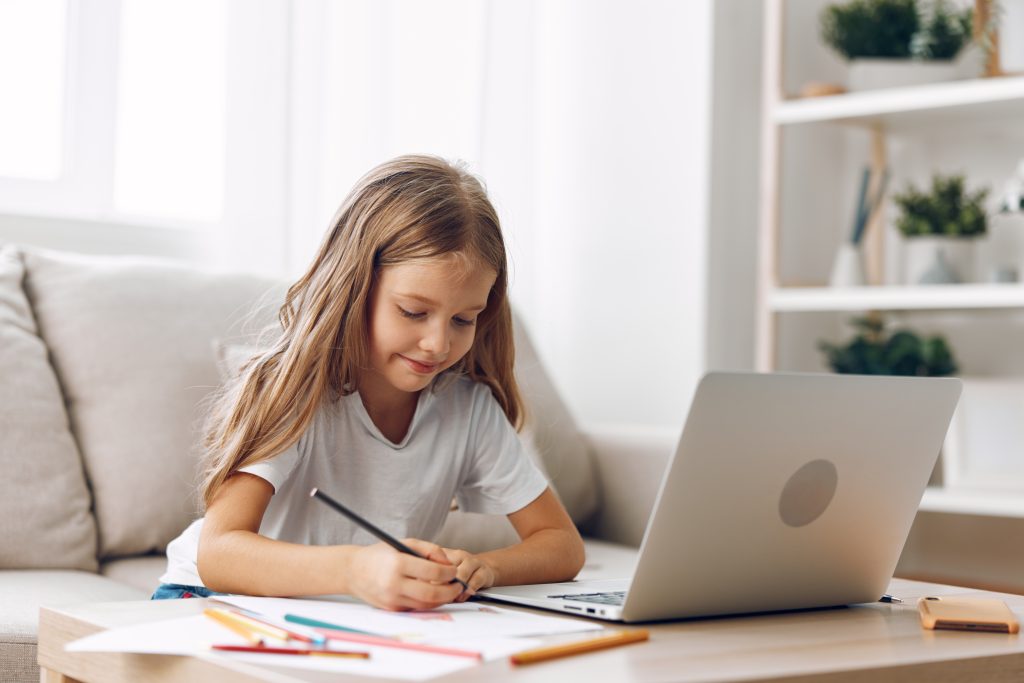
Screen Time and School: Protecting Your Child’s Eyes From Digital Eye Strain
As summer winds down, families in Edmonton are preparing for the familiar routine of the upcoming school year. While buying notebooks and backpacks is a standard tradition, modern classrooms require preparation for a different kind of school supply: digital screens. From smartboards and tablets to Chromebooks and late-night homework on laptops, children’s eyes are under more digital demand than ever before.
At Ambleside Family Optometry, we are seeing a significant rise in children experiencing physical discomfort due to increased device usage. Prolonged screen time without the right visual support can lead to pediatric digital eye strain, affecting a student’s focus, comfort, and overall academic performance. Understanding how to manage device usage and protecting young eyes with professional care from Ambleside Family Optometry is essential for a successful school year.
What Is Digital Eye Strain in Children?
Digital eye strain, often referred to as computer vision syndrome, is a group of eye and vision-related problems that result from prolonged use of computers, tablets, e-readers, and smartphones. Unlike adult eyes, developing children’s eyes are particularly vulnerable to the unique visual demands of digital screens.
When children stare at a device, their blink rate drops by up to 50 percent. This lack of blinking causes the tear film to evaporate quickly, leading to dry, irritated, and gritty-feeling eyes. Furthermore, digital screens emit high-energy blue light and create glare that forces the delicate tracking and focusing muscles inside a child’s eyes to work much harder to keep text sharp. Over hours of studying or online learning, these muscles tire out, causing noticeable discomfort that the team at Ambleside Family Optometry can help identify and treat.
Symptoms of Screen Fatigue Parents Should Watch For
Children do not always recognize when their eyes are fatigued. Instead of stating that their vision is blurry, they may express their discomfort through changes in behavior or physical complaints during homework time. Parents should look out for these common warning signs:
- Frequent eye rubbing or blinking while looking at a screen or reading.
- Complaints of regular headaches, particularly around the forehead or behind the eyes, toward the end of the school day.
- Unexplained neck, shoulder, or upper back pain caused by poor posture and slouching toward a device.
- Difficulty shifting focus from a desk laptop up to the classroom whiteboard.
- Increased irritability, fatigue, or a sudden drop in reading comprehension during study periods.
If your child is demonstrating any of these symptoms, scheduling a comprehensive pediatric evaluation at Ambleside Family Optometry can rule out underlying binocular vision issues and provide immediate relief.
The Long-Term Risk: Screen Time and Pediatric Myopia
Beyond temporary daily discomfort, excessive screen time and close-up reading are heavily linked to the rapid progression of pediatric myopia, commonly known as nearsightedness. When children spend hours focusing on objects close to their faces in low-light indoor environments, it signals the eyeball to elongate, causing distant objects to look permanently blurry.
Ambleside Family Optometry is committed to proactive myopia management. Catching nearsightedness early in a child’s school career is vital because high levels of myopia can increase the risk of serious eye conditions later in life. Our professional team at Ambleside Family Optometry can recommend specialized treatment plans, customized children’s glasses, or specific contact lenses designed to slow down the progression of nearsightedness, keeping your child’s prescription manageable as they grow.
Simple Strategies to Protect Young Eyes This School Year
Managing digital eye strain involves a blend of healthy screen habits at home and advanced optical solutions. Parents can implement several practical steps to reduce screen fatigue immediately:
Practice the 20-20-20 Rule
Encourage your child to take a break every 20 minutes to look at an object at least 20 feet away for at least 20 seconds. This simple habit gives the focusing muscles inside the eyes a chance to relax and encourages a full, healthy blink to restore moisture to the eye surface.
Optimize the Study Environment
Ensure your child’s desk setup is ergonomically friendly. The computer screen should be positioned about an arm’s length away from their face and slightly below eye level. Adjust the room lighting to eliminate harsh glare or reflections on the screen surface, which forces the eyes to strain harder to see text.
Limit Device Use Before Bedtime
The blue light emitted by digital devices mimics daylight and can disrupt the natural production of melatonin, the hormone responsible for sleep. Turn off all screens at least one hour before bedtime to ensure your child gets the deep, restorative rest they need to stay sharp at school.
Consider Specialized Computer Glasses
For students who spend multiple hours a day on Chromebooks or tablets, specialized lenses can make a world of difference. The independent boutique at Ambleside Family Optometry offers advanced anti-reflective coatings and premium blue light filtering lenses. These custom glasses reduce glare and filter out harsh blue light wavelengths, drastically reducing ocular fatigue during long study sessions.
Set Your Child Up for Academic Comfort
Do not let digital eye strain get in the way of your child’s academic potential and comfort this year. By combining smart device habits with expert clinical care, you can protect their developing vision from the demands of modern technology. Contact the friendly team at Ambleside Family Optometry today to schedule a comprehensive pediatric eye exam or to discuss our specialized vision therapy and myopia control options before the school bell rings.
FAQ
Can digital eye strain cause permanent damage to a child’s eyes?
While digital eye strain itself does not cause permanent damage, the habits associated with excessive screen time, like continuous close-up focusing and lack of outdoor light, are heavily linked to the development and progression of permanent nearsightedness (myopia).
How do I know if my child needs blue light glasses for school?
If your child spends more than two hours a day on digital devices for schoolwork and complains of dry eyes, headaches, or blurred vision, they may benefit significantly from blue light filtering lenses. A quick consultation at Ambleside Family Optometry can determine if these specialized lenses are right for your child.
What is the ideal distance a child should sit from a computer screen?
A child should sit roughly 40 to 65 centimetres away from a computer screen, which is about an arm’s length. The top of the screen should be at or slightly below their eye level so they are looking slightly downward while working.